

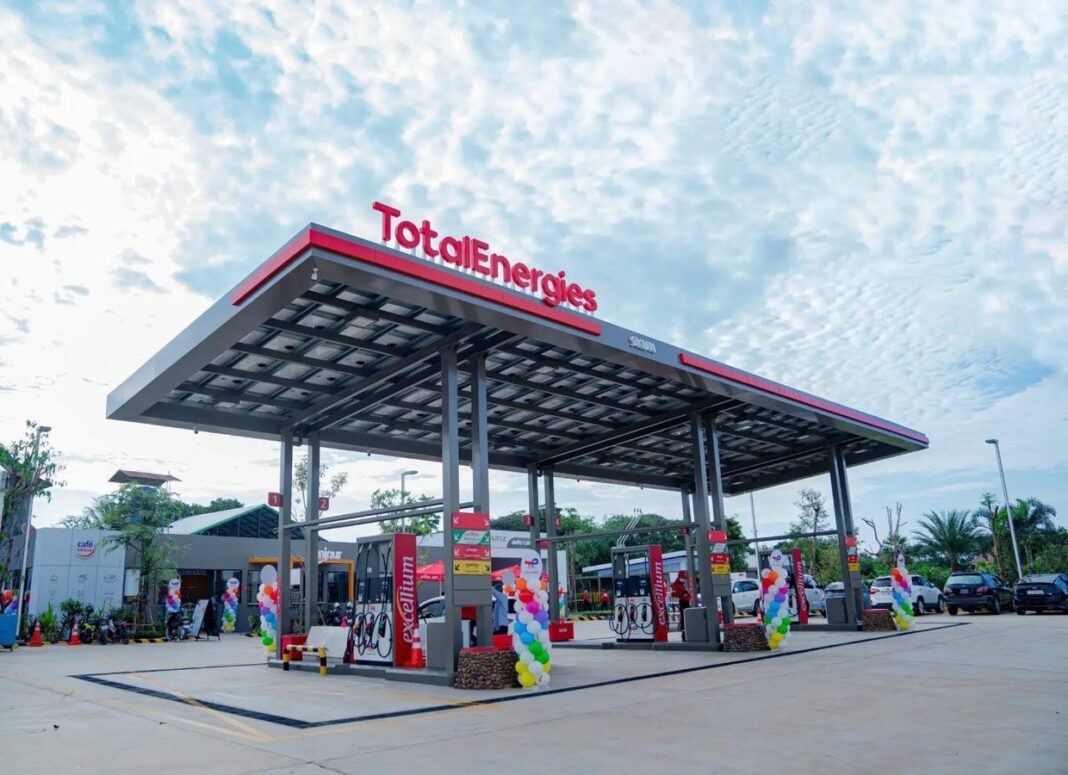

PHNOM PENH — As Cambodia increases fuel imports from Singapore and Malaysia amid global supply disruptions, a key question emerges: how do Cambodia’s pump prices compare with its regional neighbors?
As of mid-March 2026, retail gasoline prices in Southeast Asia vary significantly due to subsidies, taxes, and exchange rate differences:
- 🇸🇬 Singapore (No Subsidy): approx. $2.55–$2.65 per liter
- 🇰🇭 Cambodia: approx. $1.37–$1.45 per liter (5,500 Riels)
- 🇵🇭 Philippines: approx. $1.40–$1.55 per liter
- 🇹🇭 Thailand: approx. $1.30–$1.35 per liter
- 🇻🇳 Vietnam: approx. $0.99–$1.05 per liter
- 🇮🇩 Indonesia (Partially Subsidized): approx. $0.60–$0.95 per liter
- 🇲🇾 Malaysia (Subsidized): approx. $0.47 per liter (Fixed)
While Cambodia’s prices are broadly in line with Thailand and Vietnam, they remain significantly higher than Malaysia and Indonesia, where governments maintain heavy fuel subsidies.
Unlike Malaysia, Cambodia does not heavily subsidize retail fuel prices. Instead, prices reflect:
- Global oil benchmarks (Brent crude)
- Shipping and logistics costs
- Exchange rate movements
- Domestic taxation structure
Malaysia’s lower prices are largely due to state subsidies. Singapore’s higher prices reflect high taxes and no subsidies, but with higher average incomes.
Cambodia remains 100% dependent on imported refined fuel, making it more vulnerable to supply shocks.

Minister of Mines and Energy Keo Rottanak stated that Cambodia is increasing imports from Singapore and Malaysia as Vietnam and China temporarily tighten exports to protect domestic supply.
Approximately one-third of Cambodia’s 6,300 fuel stations reportedly closed last week. Authorities are investigating whether closures were caused by temporary supply issues or possible stockpiling in anticipation of price increases.
Fuel imports during the first 18 days of March rose more than 25% compared to the same period last year, reflecting higher demand and precautionary stock building.
Global oil markets remain volatile due to Middle East tensions affecting shipping routes and production expectations.
However, Cambodia’s partnerships with international suppliers such as Total and Chevron may help mitigate supply risk.
The key vulnerability remains Cambodia’s full reliance on imports, unlike Indonesia and Malaysia, which maintain domestic refining and production capacity.
With Cambodia’s average monthly wage around $200 to $300 in many sectors, fuel price sensitivity remains high compared to Singapore, where average wages exceed $3,000 per month.